The right ground cover or shrub depends on sunlight, drainage, salt exposure, mature size, and the job the planting must perform. By the end, you will be able to match species to Mumbai sites, calculate quantities, inspect nursery stock, specify delivery terms, and plan installation without paying for overcrowded or unsuitable plants.
Key takeaways
- Match Portulaca and Wedelia to full sun and reflected heat.
- Use Liriope or mondo grass for filtered shade, not dense deep shade.
- Calculate order quantities from mature spread and planting spacing.
- Confirm stock size, batch quality, delivery timing and holding conditions.
Choose Ground Covers and Shrubs by Mumbai Exposure and Use
Exposure decides which ground cover will survive in Mumbai. Full sun and reflected heat suit Portulaca, Wedelia and Rhoeo; filtered shade suits Liriope, mondo grass and Asystasia. Deep shade needs fewer plants and realistic expectations: even shade-tolerant covers thin beneath dense tree canopies.
| Exposure or use | Suitable choices | Specify or avoid |
|---|---|---|
| Full sun, fast spread | Wedelia, Portulaca, Rhoeo | Control runners; Portulaca needs sharp drainage |
| Filtered shade | Liriope, mondo grass, Asystasia | Expect slower coverage under dense foliage |
| Monsoon-wet beds | Liriope, Rhoeo, Wedelia on raised, draining soil | Reject pots with blocked holes or sour, waterlogged media |
| Coastal wind and salt spray | Carissa, Rhoeo, selected Wedelia | Request demonstrated salt and wind tolerance; protect from reflected heat |
| Clipped hedge | Ixora or Murraya | Record mature height and pruning response |
| Tough border or defensive screen | Carissa | Account for thorns before placing beside paths |
| Loose flowering mass | Plumbago | Give it room; it is not a formal hedge |
| Fast informal screen | Duranta | Prune regularly to prevent an untidy, oversized border |
For best plants and nursery ground cover shrub orders, match the plant to its job rather than ordering by “shrub” or “ground cover” alone. Record mature height, spread, sunlight, thorniness and salt exposure. Small liners reduce the unit price but need closer spacing and more weeding; established 1–3 litre pots cover gaps sooner.
Ground cover plants in mumbai need free-draining media during the southwest monsoon. Ask for raised nursery stock, unobstructed drain holes, plant height, spread and root-ball condition; circling roots signal a plant that needs correction before planting.
Compare Living Ground Covers with Turf, Mulch, and Hardscape
Living ground cover usually gives the best balance for planted beds and gentle slopes: it slows rain, shades soil, suppresses weeds after establishment, and softens the landscape without weekly mowing. The trade-off is a vulnerable establishment period, especially during Mumbai’s monsoon.
| Option | Erosion control | Weed suppression | Labour and water |
|---|---|---|---|
| Living ground cover | Strong once rooted; vulnerable before closure | Good after canopy closes | Moderate planting and early weeding; moderate irrigation |
| Turf grass | Strong on a dense, maintained surface | Good, but gaps invite weeds | High mowing, edging, feeding, and watering demand |
| Organic mulch | Moderate; can wash downhill in heavy rain | Good for one season | Low initial labour; replenish and keep clear of stems |
| Hardscape | Prevents soil erosion on the covered area | Excellent | Low routine labour; increases runoff and surface heat |
Choose turf where people need a resilient walking or recreation surface. Choose mulch for temporary beds, newly planted shrubs, and places where irrigation or plant establishment is uncertain. Hardscape suits paths, entrances, and severe-wear zones, not broad planting areas where reflected heat and stormwater runoff matter.
Living cover works best when you can water until plants meet across the bed. Set small plants 15–30 cm apart; tight spacing closes faster but costs more and raises wet-season disease risk. Add 5–10% replacement stock for losses.
For best plants and nursery ground cover shrub orders, specify exposure and maintenance capacity, not just colour or pot size. Filtered shade, west-facing sun, salt wind, roadside dust, and monsoon-wet soil require different choices.
Specify Mature Size, Spacing, Growth Rate, and Order Quantity
A plant’s nursery height is not its landscape role. Specify its mature height, mature spread, growth rate, and habit before calculating quantity; a compact pot can hide a vigorous climber or a future two-metre shrub.
- True ground cover spreads horizontally, stays low, and fills soil between plants.
- A low shrub keeps a woody, upright form and needs more room than a spreading cover.
- A hedge is a row of shrubs chosen for clipping or dense screening.
- A climber needs a wall, trellis, or support; do not count it as ground-cover area.
- A temporary nursery-compact plant has been pruned or supplied young and must be sized by its stated mature spread.
2. Set spacing from the mature spread and desired closure time. Start small ground covers at 15–30 cm centres; closer planting closes faster but raises cost and wet-season disease risk. Allow 45–60 cm for some clipped low hedges and 75–120 cm or more for larger screening shrubs.
3. Calculate quantity from the planting grid, not tray count. Divide bed length by row spacing and bed width by plant spacing, round each result up, multiply them, then add 5–10% replacement stock. For a hedge, divide its total length by centre-to-centre spacing and add the same reserve.
4. Put botanical name, cultivar, mature height and spread, growth rate, pot or plug size, actual dimensions, and substitution rules in the order. Ask the ground cover shrub supplier to separate each species and state root-ball condition.
Check Nursery Stock, Container Size, and Supplier Terms Before Buying
A 4-inch or 6-inch pot is not a quality grade. Ask a ground cover shrub supplier to quote container volume alongside plant height, spread, stem or rooted-cutting count, and root-ball condition.
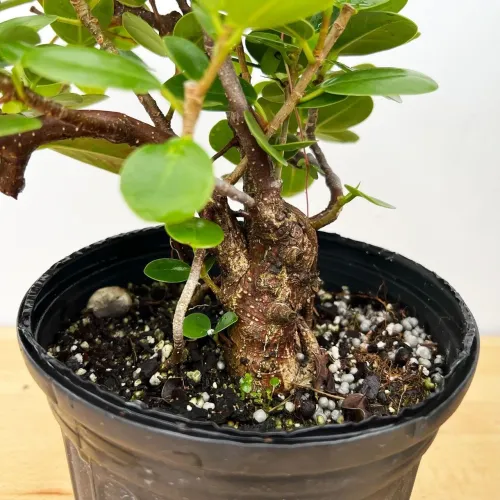
Reject stock with circling roots, a hard root mat, sour-smelling media, or roots forcing through blocked drain holes; request a representative batch photograph before dispatch.
- Name each botanical species and cultivar, rather than writing “mixed ground cover” or “flowering shrubs.”
- State the end use and exposure: full sun, filtered shade, deep shade, coastal wind and salt, or roadside dust. Separate Ixora and Murraya for clipped hedges, Carissa for tougher defensive or coastal planting, Plumbago for loose flowering masses, and Duranta for fast informal screening.
- Record quantity, pot or plug size, minimum height and spread, and the required number of stems or rooted cuttings per plant.
- Set the spacing basis for ground covers, such as 15–30 centimetres, then add 5–10% replacement stock. A tray count alone can leave the bed sparse or inflate the order.
- Include delivery date, acceptable substitution rules, inspection on arrival, and the supplier’s replacement responsibility for dead, damaged, undersized, or rootbound stock.
For shrubs wholesale nursery in Mumbai purchases, New Garden Guru Farms & Nursery can help you compare quoted pot sizes against actual dimensions before you approve a mixed order. Put every acceptance measure in the purchase order; “healthy plants” is too vague to enforce.
Related product
 | Plants Looking to add some curb appeal or create a low-maintenance garden? Our selection of ground covers and shrubs offers a variety of options for home... View product → |
Plan Mumbai Delivery, Holding, Planting, and Ongoing Maintenance
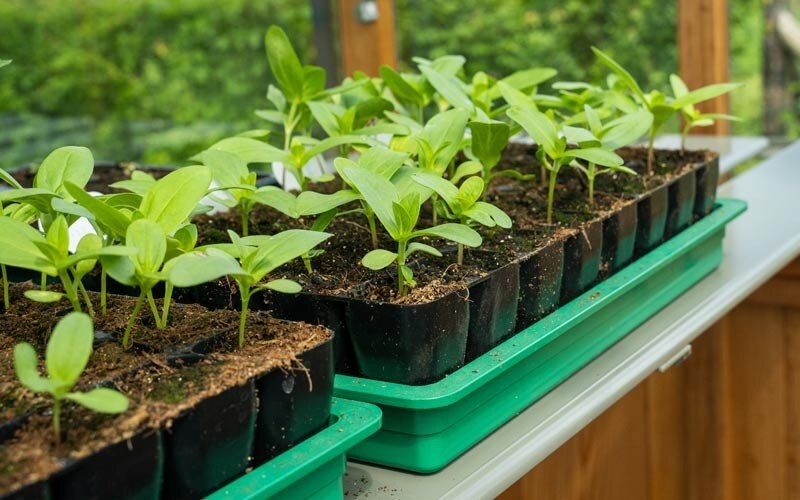
Keep delivered plants shaded, upright, and ventilated, then install them within 24–48 hours. Do not leave trays or pots in standing water; blocked drain holes and hot plastic quickly turn healthy stock into root rot or wilt.
1. On delivery, check botanical names, quantities, pot moisture, broken stems, and pest symptoms. Water dry containers thoroughly, move them under 50–70% shade, and separate damaged stock. Hold rooted plugs for the shortest possible time.
2. For wet-season planting, raise beds, open discharge channels, use free-draining soil or media, and keep every container drain hole clear. Avoid burying the crown; saturated soil around a buried crown kills ground cover plants in Mumbai faster than missed fertiliser.
3. For dry-season planting, irrigate the prepared bed before planting, install drip lines or adjustable emitters, and apply 5–7 cm of mulch without touching stems. Water deeply until roots establish, then adjust frequency after checking soil 5 cm below the surface.
4. Price maintenance as separate monthly lines: hand weeding, bed edging, pruning, irrigation water and repairs, fertiliser, pest scouting, and removal of dead plants. Add labour for clearing monsoon runoff and fallen leaves.
5. Keep 5–10% replacement stock for handling loss and early mortality. For a shrubs wholesale nursery in Mumbai order, record the replacement deadline and responsibility in the purchase order, along with species, cultivar, pot size, and delivery date.
For ground cover plants in Mumbai, include a first-year replacement allowance; cheap liners often demand more weeding and watering than larger pots, while established shrubs reduce the exposed, weed-prone gap.
Frequently asked questions
Which ground cover plants suit Mumbai’s sun and shade conditions?
Portulaca, Wedelia and Rhoeo suit full sun and reflected heat. Liriope, mondo grass and Asystasia suit filtered shade. Deep shade beneath dense tree canopies can thin even shade-tolerant ground covers.
How should you compare living ground cover with turf, mulch and hardscape?
Compare irrigation, mowing, weeding, replacement, erosion control, appearance and installation effort. Living ground cover adds planting and maintenance work, while mulch needs periodic replenishment and hardscape has higher installation impact.
What details should you specify when ordering ground covers and shrubs?
State the plant name, mature height and spread, container size, growth rate, planting spacing, required quantity and delivery date. Base quantity on the area and the plant’s expected mature spread rather than the size at purchase.
What should you check before buying from a wholesale nursery in Mumbai?
Inspect foliage, roots, pests, moisture and signs of transplant stress. Confirm container size, available quantity, replacement terms, loading method, delivery window and how long the plants can remain held before planting.
How should you plan delivery, holding, planting and maintenance?
Schedule delivery close to planting, protect plants from heat and wind, water containers without leaving them waterlogged, and plant during a cooler period. Plan irrigation, weeding, pruning, pest checks and replacements before the order arrives.