Choosing the wrong fertilizer can scorch container plants, while choosing the wrong hand tool can tear roots or bend under hard soil. By the end, you will know how to select and use a PVC-handle transplanter, read fertilizer grades, match products to Pune growing conditions, and compare wholesale quotations without confusing two unrelated product categories.
Key takeaways
- Choose a narrow blade for seedlings and compact root balls.
- Check blade thickness, joint security, and a comfortable PVC handle.
- Read NPK grades and match fertilizer to the plant’s growth stage.
- Keep fertilizers and hand tools as separate lines on purchase orders.
Match the Transplanter to the Plant and Soil
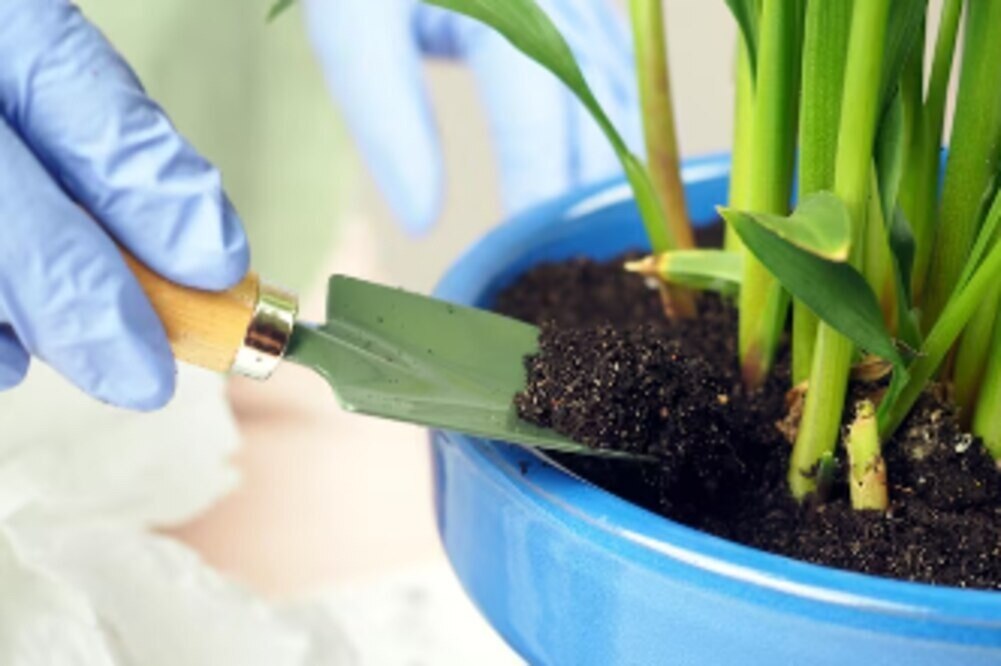
A PVC-handle transplanter in Pune suits small vegetable seedlings, annuals, herbs, nursery plugs and compact ornamental plants planted in loose potting mix, raised beds or recently cultivated soil.
Its narrow blade slips between nearby plants with limited disturbance, but it removes little soil and is a poor choice for breaking compacted ground or opening large holes.
Plant size and soil condition determine the better tool:
| Planting job | Suitable tool | Why |
|---|---|---|
| Seedling plug in loose mix | Hand transplanter | Narrow blade preserves nearby roots |
| Small herb in a balcony pot | Transplanter or narrow trowel | Fits confined containers |
| One seed in loose soil | Dibber | Makes a clean, shallow hole |
| Root-bound plant or tough soil | Hori hori knife or trowel | Cuts and opens denser material |
| Large root ball or deep bed | Larger spade | Moves enough soil without repeated levering |
Use the tool without crushing the stem or tearing fine roots:
- Water the seedling lightly, then loosen the root ball from the tray cell with the blade or your fingers.
- Make a hole slightly wider and as deep as the root ball; do not force the blade through dry, compacted soil.
- Lift the plug from below, holding leaves or the root ball rather than the stem.
- Set the plant at its original soil level, fill gaps, and firm soil gently around the roots.
- Stop if the handle flexes or the shaft twists. Levering against stones can crack PVC at the ferrule and damage roots beneath the hole.
Compare Blade Size, Joint Strength and Handle Material
A reliable transplanter keeps its blade aligned with the shaft, resists twisting at the joint, and has a grip that stays firm without cracking. Compare the working end separately from the PVC handle: “PVC-handle transplanter in Pune” describes only the grip, not blade quality or service life.
| Feature | Reliable specification or check | Warning sign |
|---|---|---|
| Blade | State width, length, steel type, thickness and edge shape; inspect a straight edge with no burrs | Thin or bowed blade, ragged edge, or vague “steel” claim |
| Head finish | Stainless steel resists rust; properly heat-treated carbon steel can offer toughness and sharpening | Flaking paint, exposed rust, or reliance on “stainless” without thickness |
| Joint | A continuous weld or tight ferrule keeps the shaft centred; apply a firm sideways load | Visible weld gaps, loose ferrule, rotation, or a shaft entering at an angle |
| Handle | PVC grip has no cracks, sink marks or sharp seams; diameter suits a secure three-finger hold | Brittle plastic, split ends, or a grip that turns on the shaft |
For wholesale planting hand tools in Pune, inspect a sample from every production lot:
- Sight along the blade and shaft for alignment; reject units that point off-centre.
- Drag a finger, carefully, along the edge to find burrs and inspect the neck for bends.
- Twist the grip and pull the shaft by hand; movement indicates joint failure.
- For large orders, use a sample destructive pull or bend check rather than trusting a polished finish.
- Keep PVC handles out of direct sun; heat and ultraviolet exposure accelerate embrittlement before dispatch.
Read Fertilizer Grades Before You Choose a Product
A grade such as 10-26-26 means 10% total nitrogen (N), 26% available phosphate (P₂O₅), and 26% soluble potash (K₂O) by weight. The phosphorus and potassium figures are not their elemental weights. For fertilizers for garden plants in Pune, read the grade before you read the crop name.
| Grade number | What it measures | How to use it |
|---|---|---|
| First | Total nitrogen (N) | Supports leaves and stems; excess produces soft growth and delayed flowering |
| Second | Available phosphate (P₂O₅) | Supports roots and flowering; excess can accumulate in soil |
| Third | Soluble potash (K₂O) | Supports water regulation, strength and stress tolerance |
Choose the product from a soil test, not from a label promising results for tomatoes, roses or lawns. Check soil pH, electrical conductivity, organic carbon, available phosphorus, available potassium and micronutrients.
Municipal water, repeated compost applications or high-phosphate fertilization can change the recommendation; a high second number is a poor choice when soil phosphorus is already high.
Match the formulation to the application method. Granules suit broadcast or band placement and slower release, while water-soluble grades suit fertigation or foliar use. The latter require accurate dilution and clean irrigation equipment, because concentrated solution can block emitters and burn roots.
For pots, nursery trays and plugs, use the label’s container rate rather than a field rate. Excess soluble salts cause marginal leaf scorch, poor germination and root damage, even when the crop name appears correct. Check the batch, pack size and application directions before purchase.
Apply Fertilizer Safely in Pots, Beds and Nursery Trays
Use the label rate, not the crop name, as your starting point. Granules and water-soluble fertilizers require different handling, and a field rate can scorch seedlings in a pot or nursery tray. For buyers comparing fertilizers for garden plants in Pune, soil test results should guide the product and dose.
| Material | Apply it | Main risk |
|---|---|---|
| Granular fertilizer | Broadcast or band it evenly on moist soil, keep it off stems, then water thoroughly. | Uneven spreading creates hot spots and salt injury. |
| Water-soluble fertilizer | Measure the concentrate, dilute it fully in clean water, and flush irrigation lines after use. | Strong solutions burn roots; undissolved material blocks emitters. |
| Organic amendment | Use mature, well-decomposed material and mix it through the root-zone soil. | Immature material can immobilise nitrogen and damage roots. |
Reduce the label rate for small pots only when the label gives a container rate; do not guess from a field recommendation. Apply soluble feeds to already moist media, and leave dry, salt-crusted soil unfertilised until you have watered it. Stop repeated high-phosphate applications when a soil test shows excess phosphorus.
Keep fertilizer bags sealed in a dry, covered, raised area away from irrigation leaks. Moisture causes caking, nutrient loss and inaccurate spreading. Store opened soluble products in airtight, labelled containers, and keep organic amendments protected from rain so their nutrient concentration does not dilute. Record the product grade, batch and opening date.
Separate the Two Categories in a Pune Purchase Order
Put fertilizers and the PVC-handle transplanter on separate quotation lines, with separate specifications, quantities, taxes, freight and delivery terms. A combined description makes two suppliers look cheaper or costlier than they are.
- Fertilizer line: state product name, N-P-K grade, formulation, pack size, number of packs, batch number, manufacturing date, expiry or recommended-use date, application rate and storage instructions. Ask whether the rate suits nursery trays and pots; a field rate can cause salt injury, leaf scorch and root damage in containers.
- Transplanter line: state blade or trowel material, blade width and length, steel thickness, edge finish, shaft-to-handle joint, PVC grip diameter, total unit weight, unit quantity and carton quantity. “PVC handle transplanter in Pune” identifies the grip only, not the working end or joint strength.
- Inspection and delivery line: require a sample from each production lot, with checks for blade straightness, burrs, ferrule security, handle cracks and shaft alignment. For large orders, add a pull or bend check and record the accepted sample standard.
For planting hand tools in Pune, keep fertilizer bags on raised pallets in a dry, covered store; moisture causes caking and inaccurate spreading. Store PVC-handled tools away from direct sun, and inspect for embrittlement before dispatch.
New Garden Guru Farms & Nursery can use these separate line items when preparing a quotation that buyers can compare without confusing product quality with packing or freight.
Related product
 | Plant Care Tools This essential gardening tool is designed to make transplanting seedlings and small plants quick and easy. View product → |
Frequently asked questions
Which transplanter suits seedlings and compact ornamental plants?
Use a narrow, pointed transplanter for small seedlings, annuals, herbs, nursery plugs, and compact root balls in loose soil or potting mix.
What should you compare in a PVC-handle transplanter?
Compare blade width and thickness, the blade-to-shank joint, handle grip, corrosion resistance, and comfort during repeated planting.
How do you choose fertilizers for garden plants in Pune?
Read the NPK grade, identify the plant’s growth stage, and follow the product label for dose, dilution, timing, and application method.
How should fertilizer be applied in pots, beds, and nursery trays?
Keep granules away from stems, dilute soluble products accurately, water after application when the label directs it, and use lower doses for small containers and trays.